

Exploring the Landscape of UK Horse Racing: What Happens When It’s Not On
In the vibrant landscape of British sports, horse racing occupies a unique position, attracting millions of fans and bettors alike. While the thrill of the race drives the crowd, there are times when the tracks go silent, and the horses aren’t racing. For enthusiasts and those engaged in UK Horse Racing Not on GamStop horse racing betting sites, these downtime moments can lead to uncertainty. This article delves into the consequences of not having horse racing and explores what fans and participants do to cope during these periods.
The Allure of Horse Racing in the UK
Horse racing in the UK is steeped in history, with traditions dating back to centuries ago. From the prestigious events at Ascot to the iconic Grand National, the sport encapsulates a rich tapestry of excitement and competition. The UK boasts numerous tracks and a variety of racing types, including flat racing and jump racing, each with its own unique appeal.
The social aspect of horse racing is significant. Races serve as social gatherings for friends and families, and many attend events dressed in their Sunday best. The atmosphere is electric, with cheers and gasps echoing as the horses thunder down the track. Moreover, the betting culture entwined with the sport adds an added layer of excitement, allowing fans not just to watch, but also to participate actively, increasing their engagement with the event.
When Horse Racing is Not On
Horse racing does not happen year-round. Seasonal changes, logistical issues, or extraordinary circumstances — like we saw during the pandemic — can lead to cancellations or the absence of scheduled races. During these periods, many loyal fans find themselves at a loss, longing for the excitement that comes with the races. Thus, we delve into the broader implications of this hiatus and how individuals cope.
The Impact on Bettors
For those who regularly engage in betting, the absence of races can feel like a vacuum. Betting on horse races offers a unique thrill, akin to gambling on sports, with the potential for financial returns. Fans who bet often do so at horse racing betting sites, where they can track odds, place wagers, and indulge in the excitement of anticipating results. When these opportunities vanish, it can leave bettors looking for alternatives.
During these downtimes, many bettors might turn to virtual sports or alternative forms of gambling, such as football or online casinos. While these alternatives can provide a temporary solution, they often lack the visceral connection many feel towards horse racing, which combines elements of sport, strategy, and rich tradition.
Alternative Activities for Fans
When horse racing is not on, fans often explore different activities to fill their time. Many enthusiasts turn to reading and researching about horse racing history, famous horses, or upcoming events. Engaging in discussions on social media platforms or forums can also help fill the void, as fans share experiences, analyze past races, and speculate about future events.
Others might choose to visit local events or alternative sporting events, as the thrill of competition can be found in many different arenas. Some may even engage in horseback riding, training, or volunteering at local stables — re-engaging with their passion for horses in a different capacity.
The Future of Horse Racing in the UK
Despite the periods of downtime, the future of horse racing in the UK looks promising. Organizations continually work to innovate and enhance the racing experience, integrating technology and entertaining formats to keep fans engaged. It’s important to remain optimistic as the industry adapts to modern challenges and seeks to preserve the traditions that have made it a staple in British culture.
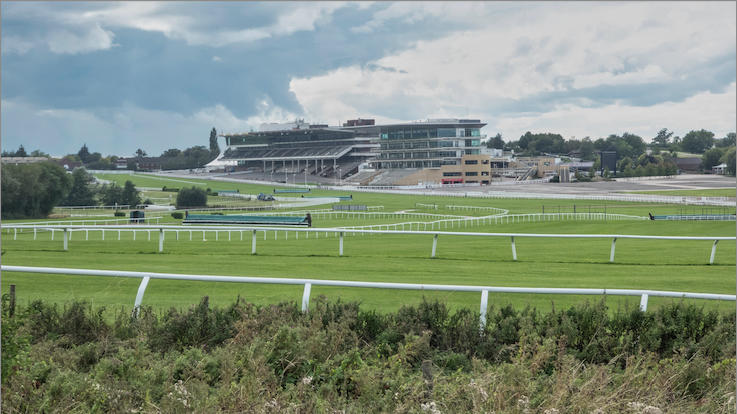
The growing popularity of online platforms has enabled fans to remain connected to the sport, even when live racing is not taking place. With initiatives to stream past events, provide expert analysis, and create interactive forums, fans can stay in the loop and maintain their passion for the sport.
Conclusion
Despite the temporary absence of horse racing in the UK, the love for the sport remains vibrant. Fans and bettors alike find ways to engage with the community, stay informed, and fill their time during downtime with activities that connect them to their passion for horses. As the industry evolves and adapts, one thing is clear — horse racing will continue to be a cherished element of British culture, thriving in both its traditional form and through modern innovations.
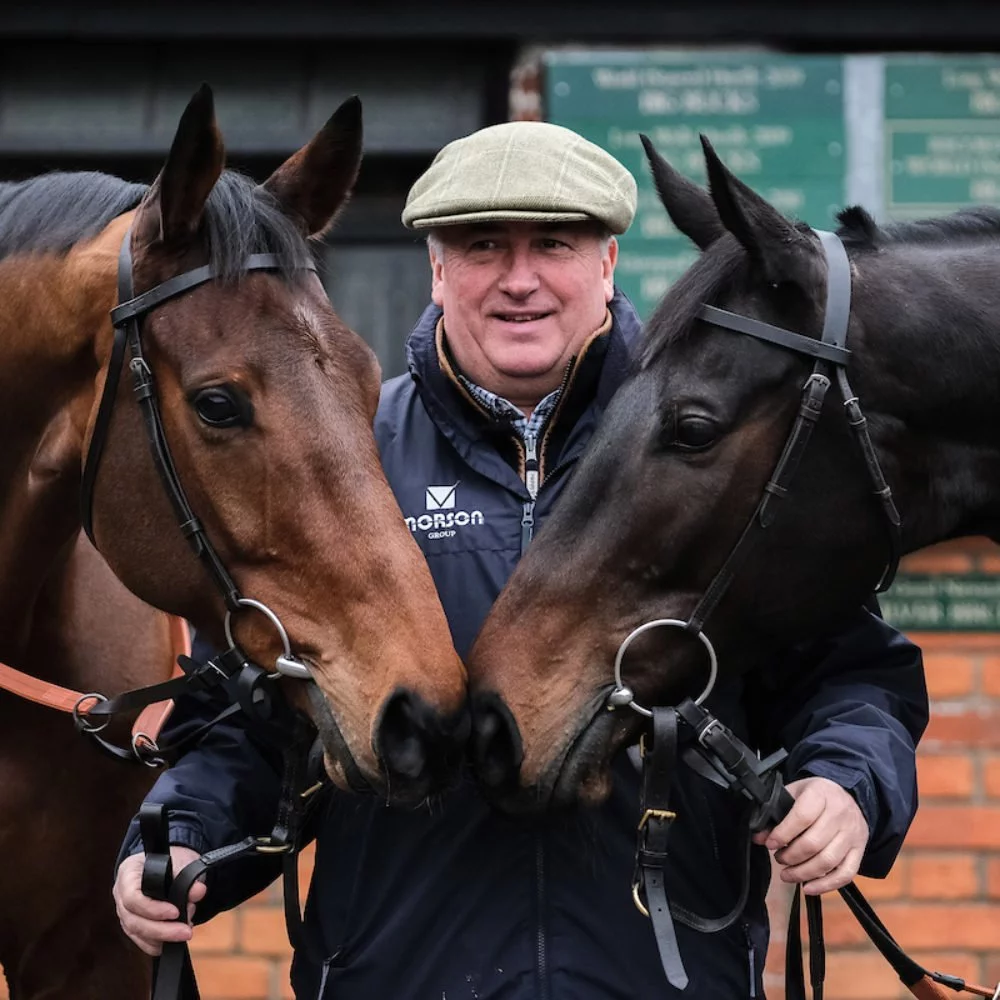
Whether you’re a lifelong fan or new to the world of horse racing, the allure of the sport remains. Understanding what happens when racing is not on can help foster a deeper appreciation for the experiences and connections it brings, ultimately enhancing the joy when the races return.