
The True Cost of Citizenship: Understanding Citizenship Fees
Obtaining citizenship is often seen as a significant milestone in one’s life, providing a sense of belonging, security, and the right to participate in the governance of a nation. However, the process of acquiring citizenship is not always straightforward, and it frequently involves a variety of fees and expenses. In this article, we will explore the various citizenship fees associated with obtaining citizenship in different countries, ensuring you understand the potential costs involved. Whether you are considering applying for citizenship by naturalization, birth, or through investment, you can citizenship fees learn more about the financial obligations tied to the process.
What are Citizenship Fees?
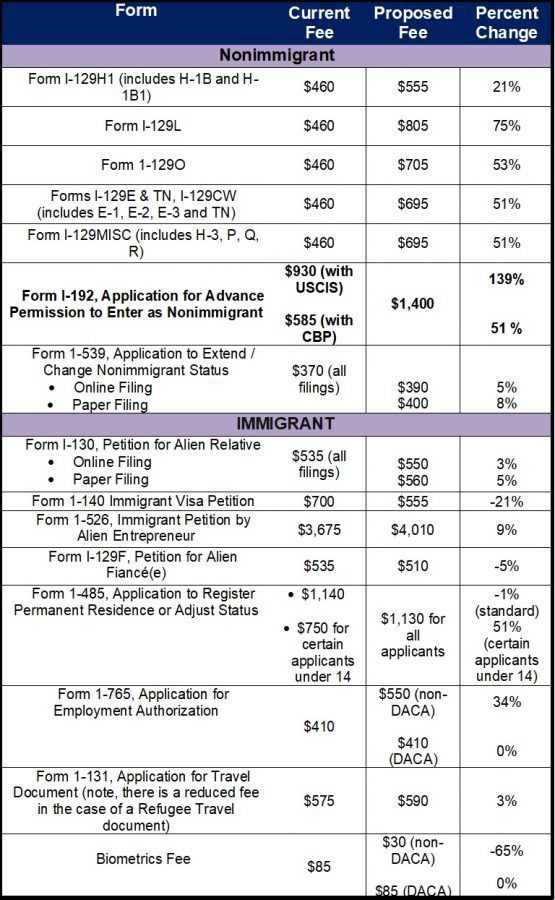
Citizenship fees are costs that individuals must pay when applying for citizenship in a country. These fees can vary greatly depending on the country’s laws, the method of obtaining citizenship, and the applicant’s circumstances. Citizenship fees can encompass application fees, processing costs, legal fees, and other associated expenses like background checks and language tests.
Types of Citizenship Fees
1. **Application Fees**: These are the primary fees incurred when submitting a citizenship application. Countries set these fees based on administrative costs and the resources required to process each application. For example, application fees in the United States for naturalization can reach several hundred dollars, while in other countries, such as Canada, fees may be slightly lower.
2. **Processing Fees**: Beyond the application itself, there are often processing fees to move your application through various stages of review and approval. These fees can vary depending on the complexity and time taken for your application to be processed.

3. **Legal Fees**: Many applicants choose to hire an immigration lawyer to assist them in navigating the complex legal requirements for gaining citizenship. Legal fees can add significant costs to the citizenship process, especially if your case involves unique circumstances or requires legal representation in court.
4. **Background Check Fees**: A thorough background check is often mandatory before citizenship can be granted. This fee usually covers the cost of fingerprinting, criminal record checks, and other security measures necessary to ensure the applicant is fit for citizenship.
5. **Language and Civic Test Fees**: Some countries mandate that applicants participate in language and civics tests. Fees may be associated with enrolling in preparation courses or paying for the tests themselves.
Factors Influencing Citizenship Fees
The total cost of citizenship can vary widely based on several factors, including:
- Country of Application: Each country has its own fee structure influenced by economic conditions, demand for citizenship, and administrative costs.
- Type of Citizenship: Different methods of obtaining citizenship—born, naturalization, investment, or descent—will incur different costs.
- Individual Circumstances: Factors such as age, marital status, or need for legal assistance can alter the overall expenses related to becoming a citizen.
Comparative Overview: Citizenship Fees in Different Countries
Understanding how citizenship fees compare between countries can help prospective citizens plan their finances appropriately. Here, we present a brief overview of what some countries charge:
| Country | Application Fee (Approx.) | Additional Costs |
|---|---|---|
| United States | $725 | Legal fees, background check fees ($50-$400) |
| Canada | $630 | Language test fees ($200-$300) |
| United Kingdom | £1,330 | Legal fees (can exceed £2,000) |
| Australia | AUD 490 | Additional fees for tests and legal assistance |
| Vanuatu | From $130,000 (investment) | Due diligence fees and other associated costs |
Long-term Costs of Citizenship
Beyond the initial fees associated with acquiring citizenship, it is essential to consider long-term costs. Some countries may impose taxes, mandatory applications for citizenship renewal, or require national service which could result in additional financial obligations. Understanding these ongoing responsibilities is crucial for potential citizens to prepare themselves sufficiently.

Strategies to Manage Citizenship Fees
Here are some strategies to help manage the financial burden of citizenship fees:
- Plan Ahead: Research the required fees and additional costs well in advance of your application to avoid unexpected expenses.
- Seek Advice: Consider consulting experienced immigration lawyers or services to give you clear guidance on what fees you can expect.
- Explore Financial Assistance: Some countries offer assistance programs or fee waivers for individuals in financial hardship, so exploring these options could be beneficial.
- Budget Wisely: Create a detailed budget that encompasses all anticipated costs to help manage your finances effectively during the citizenship process.
Conclusion
Citizenship is a vital component of personal identity and belonging, but it often comes with considerable upfront and ongoing fees. Understanding the variety of costs involved, their influencing factors, and developing strategies to manage them can help navigate the path to citizenship with greater ease. As you consider your options, ensure that you are well-informed about the financial responsibilities tied to your citizenship journey.